People are looking for change in Cumbria - Libby's column, May 2026
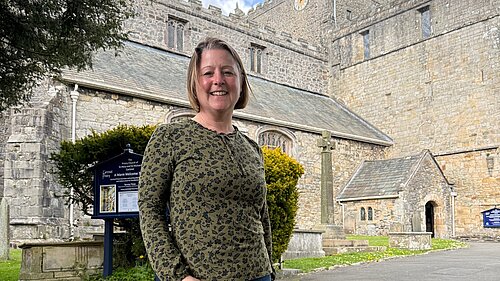
Over recent months, one of the most rewarding aspects of local politics has been the opportunity to meet residents, stakeholders and business owners from right across Cumbria. Whether in village halls, on high streets or at community events, these conversations offer a valuable window into the concerns and aspirations shaping our county. Particularly encouraging has been time spent in schools, speaking with students in Years 10, 11 and 12. Their curiosity, insight and willingness to engage with civic life suggest a generation ready to play a more active role in shaping the future.
That future may arrive sooner than expected. The next scheduled local elections in May 2027 are set to be significant, not only because residents will elect councillors and a Mayor for Cumbria, but because they may also mark the first time that 16- and 17-year-olds are eligible to vote. While the legislation is still progressing through Parliament, its expected passage means households should begin preparing now. Ensuring young people are registered to vote and equipped with appropriate photo identification will be essential to making this democratic expansion meaningful.
Although Cumbria itself is not heading to the polls this year, elections elsewhere across England, Wales and Scotland are already dominating headlines. The formation of new councils and the reshaping of political control provide plenty of material for commentators and offer a glimpse into broader national trends. These developments inevitably influence local conversations, as residents reflect on what they want from their own representatives.
On the doorstep, economic pressures remain a consistent theme. Business owners are voicing concerns about rising costs, including increases in national insurance contributions and ongoing business rate burdens. These challenges are being felt keenly across high streets and industrial estates alike. Alternative approaches are therefore attracting attention, including Liberal Democrat proposals to replace business rates with a Commercial Land Levy. Advocates argue that shifting the tax burden towards property ownership could incentivise landlords to fill vacant premises and foster a fairer distribution of costs between owners and occupiers.
Alongside economic concerns, there is a noticeable appetite for political change. Residents frequently express frustration with what they perceive as the limitations of a two-party system and a desire for greater accountability and responsiveness. This sentiment reflects a broader shift in public expectations, where voters are increasingly seeking transparency, fairness and tangible outcomes from those in power.
As Cumbria looks ahead to 2027, the conversations taking place today, on doorsteps, in classrooms and across communities will help shape the direction of local politics. The challenge for all involved is to ensure that these voices are not only heard, but acted upon.